Speakers
Scott Whitla

Masterclass
The current tax and estate landscape — what’s changed, what’s contested, and what it means for your family.
Purpose: Scott and David from McCullough Robertson bring an authoritative, current view of the Australian tax and estate planning environment — covering recent changes, contested areas, and where the regulatory direction of travel is heading.
Discussion: The session covers what’s changed in the legal and tax landscape, what remains contested, and how the most thoughtful Australian families are structuring their estate planning to hold up across decades and generations.
Outcomes: You’ll leave with a current picture of the structural ground under your family’s planning, the conversations worth having with your advisers now, and the questions worth raising in family meetings before your next major decision.
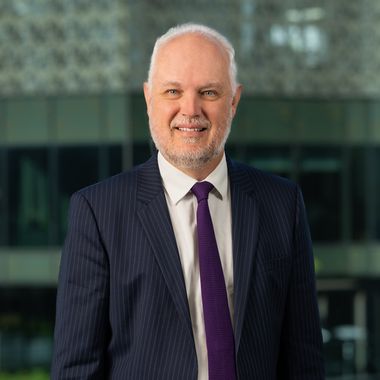
With extensive expertise in succession planning, estate administration, estate litigation, and equity claims, Scott is an accredited specialist in succession law and a qualified mediator.
Trusted by private clients, family offices, and trustee companies, Scott collaborates with the McR Private team, accountants, and financial advisers to create tailored succession planning solutions that help preserve estates and the family legacy.
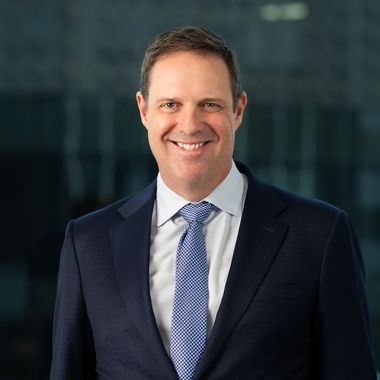
David is an accredited tax law specialist, and a chartered tax adviser. He has over 25 years experience acting for tax payers of all types including individuals, family groups, SMEs, and listed and unlisted public companies across all aspects of tax law.
The ATO is closely scrutinising families of significant wealth, particularly in the context of family and business succession. David has successfully leveraged his experience and collaborative relationships within the ATO to facilitate complex and tax effective restructures, that achieve his clients’ objectives.