Speakers
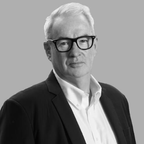
Andrew Inwood
Australia’s great wealth transfer is usually quoted as $3.5 trillion by 2050; CoreData’s modelling puts it closer to $4.9 trillion, and it is already underway. For advisers to families of significant wealth, the number matters less than who receives it. The next decision-makers are younger, more often women, more likely to hold wealth of their own, and, on every measure CoreData has tracked, markedly less attached to the advisers their parents chose. The trust a principal has built over twenty years does not pass with the assets. It starts again, from close to nothing, with each inheritor.
Drawing on more than two decades of proprietary research into Australian investors and the advice profession, Andrew Inwood closes the Forum with the evidence and an honest account of its limits. He will set out who the next generation of significant-wealth holders are and how they differ from the people who built it; what a decade of trust measurement since the Royal Commission says about the gap between advisers and inheritors; and, most usefully, what distinguishes the advisers who remain in the room after a transfer from those who are quietly replaced within two years of it. The answer in the data is less about service quality than about access: how early the adviser is introduced to the younger generation, whether they are permitted a relationship independent of the principal, and whether anyone in the firm speaks the inheritor’s language.
This is a keynote about retention and relevance, not acquisition. Advisers will leave with a clear picture of the families they will be serving in ten years’ time, the measures that separate those who keep a family across generations from those who lose it, and a short list of what the data says is worth doing before the transfer, not after.
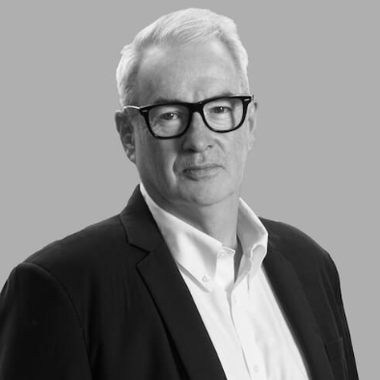
Andrew Inwood is the founder and principal of CoreData, the financial-services research consultancy he established in 2002 and has since grown to offices in Sydney, Perth, London, Boston and Manila. He has more than 30 years in Australian financial services, including heading marketing at Rothschild Australia Asset Management and over a decade at AMP Investments, and is the author of more than 50 significant pieces of research into clients and their behaviour, with a particular focus on trust and the client experience.
A sought-after keynote speaker in every Australian capital and internationally, he also serves on charity boards, is a seed investor in early-stage businesses, and is a long-standing fundraiser in youth mental health.